Every industry imposes unique constraints on a bonded joint — temperature cycling, chemical exposure, UV degradation, dynamic fatigue. Below, we map those constraints to the 3M adhesive technologies tested and proven in each sector.
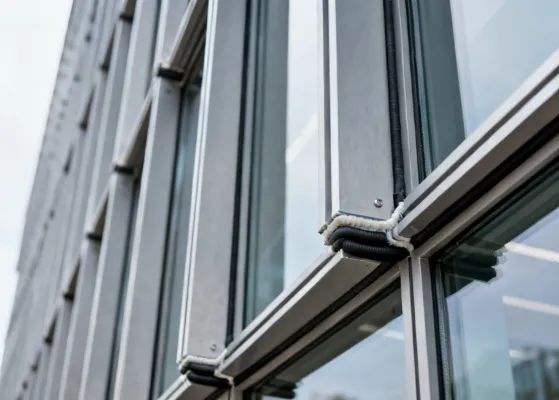
Curtain-wall glazing assemblies, insulated metal panel joints, and composite cladding attachments all require bonding systems that maintain shear and peel strength across a -40 °F to 200 °F service range while resisting UV and moisture ingress. 3M VHB tapes replace mechanical fasteners in these assemblies, eliminating through-panel thermal bridges and reducing installation labor by approximately 30%.
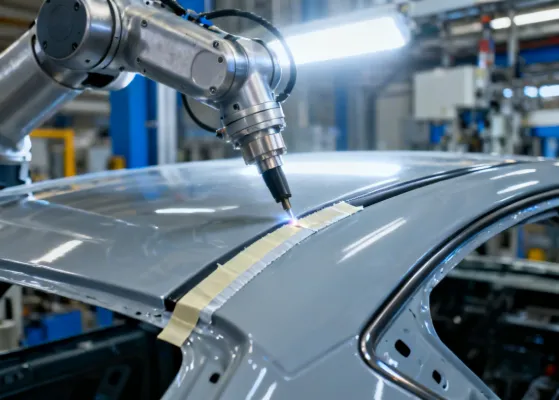
Automotive bonding demands pass rigorous OEM qualification cycles — typically 1,000 hours of cataplasma testing, thermal shock from -40 °C to +90 °C, and salt-spray exposure per SAE J2334. 3M acrylic foam tapes and structural adhesives are qualified on more than 40 global vehicle platforms. They absorb vibration, distribute stress evenly, and bond dissimilar substrates (CFRP to aluminum, glass to painted steel) without drilling.
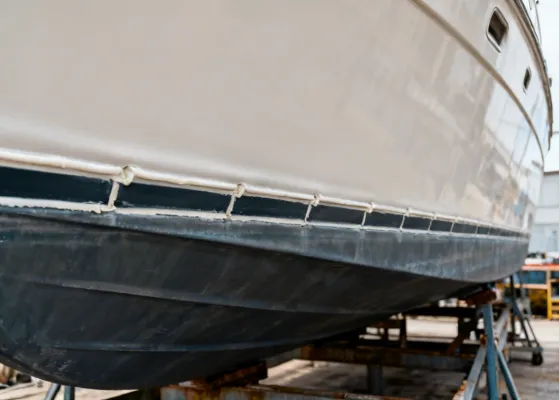
Marine bonding operates in one of the harshest chemical environments available: saltwater immersion, UV radiation, cyclical wave loading, and fuel/oil contact. 3M 5200 polyurethane sealant has been the below-waterline standard for over four decades, with documented service lives exceeding 15 years on fiberglass-to-aluminum joints. For above-deck applications, Fast Cure 4200 provides strong flexible bonds that can be put back in service within 24 hours at 77 °F and 50% RH.
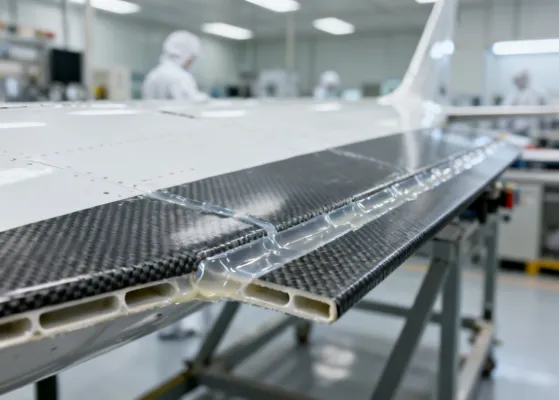
Airframe manufacturers require adhesive systems that meet FAR 25.853 flammability standards while maintaining bond integrity across a pressure range of 14.7 to 3.5 psi and temperatures from -65 °F to 350 °F. 3M structural adhesive films (AF 163-2, AF 191) are qualified to major airframe OEM specifications and are processed in standard autoclave cure cycles. Polyurethane protective tapes guard leading edges against erosion at cruise speeds.
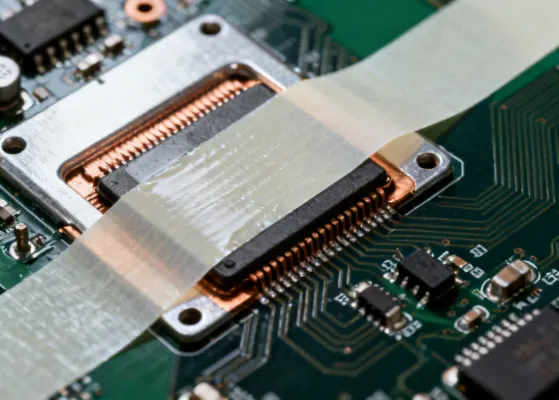
Consumer electronics and semiconductor packaging demand adhesives that can be die-cut to tolerances below ±0.1 mm, processed on high-speed pick-and-place equipment, and meet outgassing requirements per ASTM E595 (TML < 1.0%, CVCM < 0.1%). 3M electrically conductive tapes provide EMI attenuation exceeding 60 dB at 1 GHz, while thermally conductive adhesive pads deliver thermal impedance below 0.2 °C·in²/W.
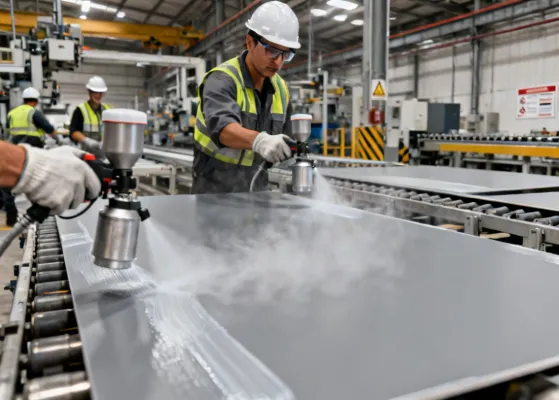
General manufacturing environments run adhesive applications at line speeds from 30 to 200 feet per minute. The bonding system must match the production cadence without sacrificing bond quality or introducing rework. 3M spray adhesives, transfer tapes, and masking systems are engineered for automated dispensing with consistent coat weights and web speeds. Formulations are available for permanent, repositionable, and temporary bonds.
"We tested 3M VHB 5952 against three competing acrylic foam tapes on our aluminum composite panel line. At 1,500 hours cataplasma aging, the VHB retained 94% of initial lap shear vs. 71–83% for the alternatives. We switched our spec after the third round of testing in Q2 2023."
"Our pick-and-place line runs 467MP transfer tape at 45 meters per minute. Die-cut tolerance holds at ±0.08 mm across a 12-hour shift with less than 0.3% liner release failures. We evaluated film adhesives from two Japanese suppliers and a German competitor — 3M was the only product that met all three criteria simultaneously at production speed."
"We have used 3M 5200 below the waterline on over 200 fiberglass hulls since 2009. In our annual haul-out inspections, we have documented zero bond failures on properly prepared joints. The one limitation we communicate to customers: 5200 bonds are essentially permanent — plan hardware placement carefully because removal requires mechanical cutting."
3M adhesive technologies serve hundreds of sub-industries beyond those listed above. Tell us your substrates, environmental conditions, and performance targets — our application engineers will identify the right system.
Describe Your Application Speak with an Engineer