Behind every 3M adhesive product is a specific polymer chemistry, validated through controlled testing against defined substrate pairs and environmental parameters. This page outlines the core technology platforms that underpin our product lines.
Each chemistry class addresses a different combination of bond strength, flexibility, temperature resistance, and substrate compatibility. Selecting the wrong chemistry is the most common source of adhesive failure in the field.
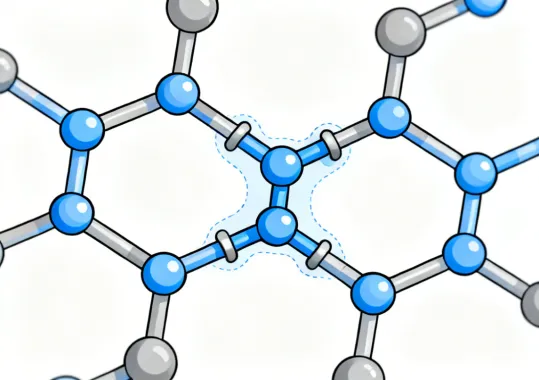
Acrylic PSAs form bonds through van der Waals forces and mechanical interlocking without chemical reaction. They offer excellent UV and oxidative stability, making them the preferred chemistry for long-term exterior exposure. Bond strength develops through viscoelastic flow into surface microstructure — a process that continues for 24 to 72 hours after initial application.
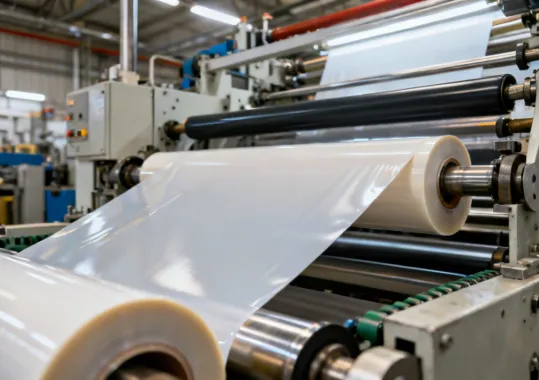
Rubber-based adhesives (styrene-isoprene-styrene block copolymers) deliver high initial tack — the "grab" that makes a tape stick on contact before any dwell time. This makes them suitable for manual assembly applications where immediate handling strength is required. The tradeoff: rubber adhesives are less resistant to UV and thermal aging than acrylics, limiting their use in permanent exterior applications.
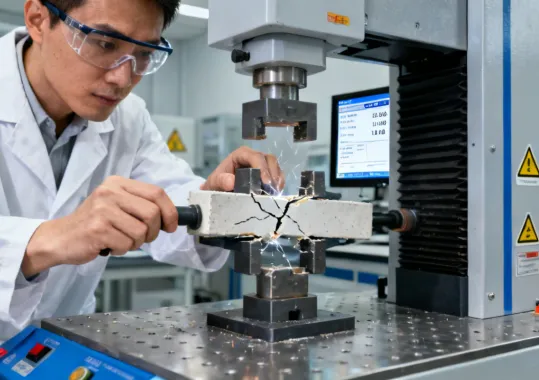
Epoxies, urethanes, and methacrylates form covalent crosslinks during cure, producing bonds that approach or exceed the mechanical strength of the substrates themselves. Two-component systems (Scotch-Weld DP series) allow controlled working time followed by rapid strength development. Structural adhesives are specified when the joint must transfer load continuously under fatigue cycling — such as composite-to-metal interfaces in automotive and aerospace structures.
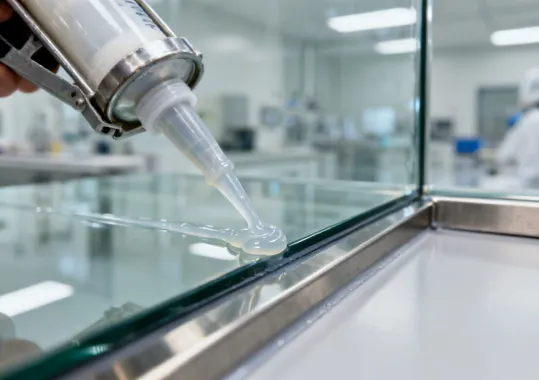
Silicone-based systems maintain elastomeric flexibility across the widest service temperature range of any adhesive chemistry: -85 °F to 500 °F continuous. They resist ozone, UV, and most industrial solvents without embrittlement. The limitation is lower cohesive strength compared to acrylics and structural adhesives, which restricts their use to sealing, gasketing, and low-load bonding applications. Silicone adhesives also require acetoxy or oxime cure chemistries that release byproducts during crosslinking.
Our R&D pipeline follows a stage-gate process that moves a bonding concept from polymer synthesis through accelerated aging to field validation before any product enters commercial production.
Chemists formulate new adhesive compositions targeting specific performance envelopes: shear strength, peel adhesion, tack, and environmental resistance.
Candidates undergo cataplasma, humidity chamber, thermal cycling, and salt-spray testing to predict 10+ year field durability in compressed timeframes.
Adhesives that pass lab gates are tested on actual substrates from partner manufacturers under real-world process conditions.
Formulations are transferred to production-scale coating equipment with in-line quality monitoring to maintain batch-to-batch consistency.
Selecting the wrong adhesive chemistry is the primary cause of bond failure. This table compares the four core platforms across the parameters that matter most in specification decisions. No single chemistry is superior in all categories — each involves engineering tradeoffs.
| Parameter | Acrylic PSA | Synthetic Rubber | Structural (Epoxy/Urethane) | Silicone |
|---|---|---|---|---|
| Shear Strength | 40 – 160 psi | 15 – 60 psi | 2,000 – 6,500 psi | 20 – 80 psi |
| Service Temp Range | -40 °F to 300 °F | -20 °F to 180 °F | -67 °F to 400 °F | -85 °F to 500 °F |
| UV Resistance | Excellent (10+ yr) | Poor – Moderate (interior only) | Moderate (often pigmented) | Excellent |
| Initial Tack | Moderate (24–72 hr full build) | Very high (immediate handling) | None (cure required) | Low (cure required) |
| Substrate Flexibility | Broad (metals, glass, composites) | Broad (porous + non-porous) | Broad with surface prep | Narrow (primer often needed) |
| Reversibility | Difficult (permanent bond) | Moderate (can be peeled) | Irreversible | Moderate (can be cut away) |
| Key Limitation | Slow strength build; requires clean, dry substrates | Degrades under UV and heat; not for structural loads | Rigid bond may crack under thermal cycling; mixing required | Low cohesive strength; cure byproducts may corrode electronics |
| Typical Cost (per sq ft) | $0.15 – $2.50 | $0.05 – $0.80 | $0.50 – $5.00 | $0.30 – $3.00 |
Cost estimates reflect 2024 list pricing for standard industrial volumes (1,000+ units). Actual pricing varies by volume, custom formulation, and distribution channel. Contact our team for project-specific quotations.
As an adhesive manufacturer, we have an obvious interest in this discussion. Here we present both sides of the argument as objectively as we can, because specifying the wrong joining method costs more than specifying a competitor's product.
The honest answer: many applications benefit from a hybrid approach using tape for primary bonding and mechanical fasteners as redundant restraint. Our engineers will recommend fasteners when they are the better solution for your specific load case and code environment.
Our application engineers and polymer chemists collaborate on custom adhesive formulations for non-standard substrate combinations, extreme environments, and high-volume manufacturing requirements.
Describe Your Challenge Contact R&D Team